A wide variety of toxicological topics were covered by Society of Toxicology (SOT) members in the news this week, including mercury levels in mislabeled seafood, nanomaterials in food, and worker safety related to hydraulic fracturing operations.
SOT Members in the News
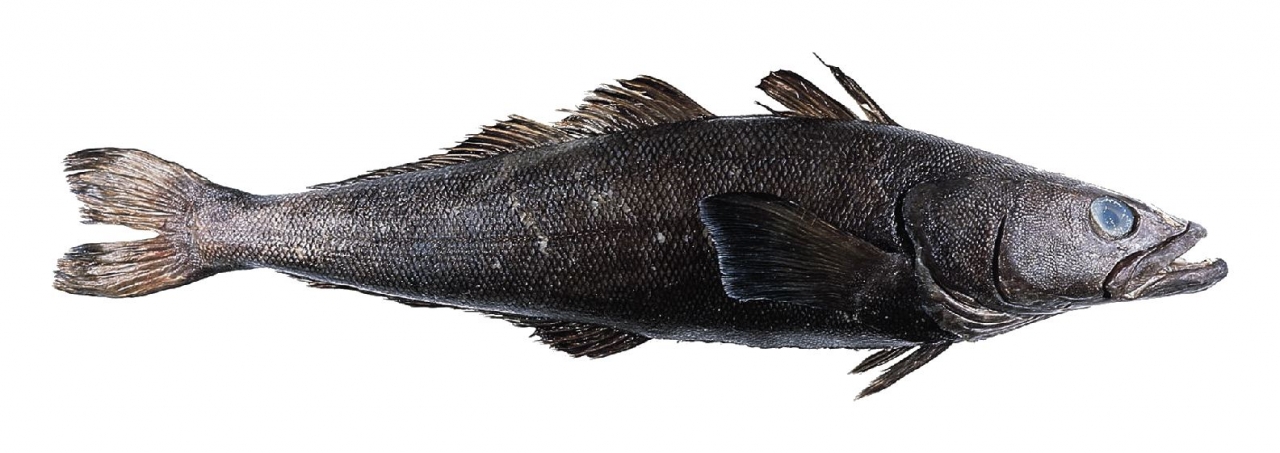 As reported by KITV4, new research by Peter van den Hurk and colleagues found that substitutions of fish can cause changes in expected versus actual mercury levels in fish labeled as Chilean sea bass. In particular, the PLOS ONE study found that “fishery-stock substitutions may expose consumers to significantly greater mercury concentrations in retail-acquired fish than species substitutions.”
In the launch of its new “Food Nanotechnology” section, Nanowerk revisited research published earlier this year by Stephen M. Roberts, Andrew Bartholomaeus, and Richard Canady that focuses on the difficulties inherent in measuring nanomaterials in foods. The article outlines the information discovered by the NanoRelease Food Additive project.
With the US Environmental Protection Agency (EPA) conducting studies on the effects of hydraulic fracturing to public and environmental health, the National Institute for Occupational Safety and Health (NIOSH) is focusing its research on how workers in the industry are affected by fracking operations. As outlined on the NIOSH blog, a new study has found that workers involved in oil and gas extraction flowback and production testing activities may be exposed to higher levels of benzene—a carcinogenic chemical—than recommended. John Snawder is one of the co-authors of the study.
Science and Public Health News
To stay abreast of these types of items throughout the week, be sure you “like” SOT on Facebook and “follow” SOT on Twitter.
Have news or research you want featured in the future? Send me an email.