
On March 11, 2017, the Metabolic Syndrome and Associated Diseases: From the Bench to the Clinic Conference was held as a satellite meeting of the Society of Toxicology (SOT) 2017 Annual Meeting in Baltimore, Maryland. This multidisciplinary forum was attended by nearly 100 scientists and clinicians who gathered to discuss the underlying biological mechanisms that lead to greater potential for diseases such as type 2 diabetes and cardiovascular disease, which is on the rise in the general population. This meeting was conceptualized through the Scientific Liaison Coalition and implemented under the SOT Contemporary Concepts in Toxicology (CCT) Conferences Committee.
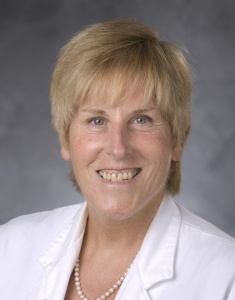
Anna Mae Diehl
The keynote speaker was Anna Mae Diehl, Florence McAlister Professor of Medicine, Duke University, Durham, North Carolina. Her presentation, “Metabolic Diseases: Clinical Manifestations, Role of Genetics, and Lifestyles,” provided an overview of the metabolic syndrome and some of its causative modalities as well as a focus on liver damage. Other speakers were from academia, industry, and government and their topics can be found on the conference website.
The main objectives of this conference included the following:
- Providing a better understanding of metabolic syndrome and associated disease entities, their underlying factors, and mechanisms behind the pathology that could enable the development of safer drugs and understanding of problematic environmental toxicants.
- Serving as a “melting pot” to expose individuals to a syndrome, its associated diseases, challenges in therapeutic interventions, role of toxicity of environmental chemicals or drugs, and mechanisms.
The three plenary sessions focused on (1) Developmental Aspects Related to Metabolic Disease, (2) Diseases Associated with Metabolic Syndrome and Challenges in Therapeutic Strategies, and (3) Cellular Mechanisms and Pathophysicology. In addition to the presentations, there was a luncheon and poster session that provided an opportunity for in-depth discussions and networking on new and emerging issues.
Following the meeting, a survey was sent to conference participants and 25% of attendees provided feedback about this meeting, all of which was extremely positive. Fifty-seven percent of attendees indicated that this conference substantially increased their understanding of this topic, with 35 percent indicating that their knowledge was expanded. Moreover, 65 percent of attendees indicated a very strong interest in attending a future meeting or webinar on this topic.
The Organizing Committee for this meeting included Donna L. Mendrick, Chair, US Food and Drug Administration, National Center for Toxicological Research; Susan G. Emeigh Hart, Boehringer Ingelheim Pharmaceuticals Inc. (Co-Chair); Florence G. Burleson, BRT Burleson Research; Rodney R. Dietert, Cornell University; Kenneth L. Hastings, Hastings Toxicology Consulting LLC; Thomas B. Knudsen, US Environmental Protection Agency, Office of Research and Development; Thaddeus T. Schug, National Institute of Environmental Health Sciences; Lisa Swartz Topor, Warren Alpert Medical School of Brown University; Charlene A. McQueen, University of Arizona; and Paul M.D. Foster, National Institute of Environmental Health Sciences.