SOT is pleased to announce that Melanie Abongwa, PhD, MBA; Scott S. Auerbach, PhD, DABT; R. Todd Bunch, PhD; Phoebe Stapleton, PhD, ATC; and Alessandro Venosa, PharmD, PhD, have been elected to serve three-year terms (2026–2029) Awards Committee. Collectively, they bring experience from industry, academia, and government, along with strong commitments to scientific excellence, service, mentorship, and the advancement of toxicology.
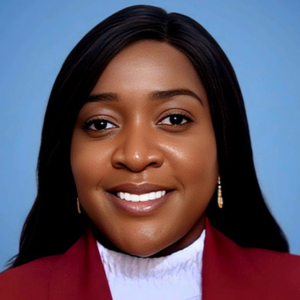
Melanie Abongwa
Dr. Abongwa is a toxicologist at BlueRock Therapeutics in Cambridge, Massachusetts. In her role, she provides scientific and strategic leadership for nonclinical toxicology studies, supporting programs from discovery through development. She received her doctorate in toxicology from Iowa State University and has actively contributed to SOT through multiple roles and Committees. She is particularly committed to fostering diversity and inclusion in toxicology, mentoring the next generation of scientists, and advancing the broader scientific community through research, leadership, and service.
Goals for SOT
I will approach the review of nominations with objectivity, diligence, and respect for established award criteria, while valuing scientific contribution, mentorship, leadership, and service to the profession. I am particularly committed to supporting a nomination process that encourages broad participation and reflects the full diversity of scientific disciplines, career paths, and perspectives within the Society of Toxicology.
Through service on the Awards Committee, my goal is to uphold the integrity of the awards program and to help ensure that the Society of Toxicology continues to recognize individuals whose contributions meaningfully advance toxicology and inspire the next generation of scientists.
Scott S. Auerbach
Dr. Auerbach is the Toxicoinformatics Group Leader in the Predictive Toxicology Branch of the Division of Translational Toxicology (DTT) at the National Institute of Environmental Health Sciences (NIEHS). His research focuses on the evolution of toxicological testing methods through the integration of molecular and high-dimensional data with traditional approaches to toxicological assessment. Since joining DTT, he has led numerous traditional and new approach methods–based assessments and technology development projects, including machine learning applications for carcinogenicity and toxicity prediction, the National Toxicology Program’s rapid response to the Elk River Chemical Spill, the development of BMDExpress, and leadership of the in vivo genomic dose response analysis and reporting group. For his leadership in chemical risk assessment, he was awarded the SOT Arnold J. Lehman Award in 2024.
Dr. Auerbach received a dual BS from Pennsylvania State University in physiology and biochemistry/molecular biology and a PhD in pharmacology from the University of Washington. He has over 100 peer-reviewed publications and technical reports, numerous book chapters, and has been a member of SOT since 2002.
Dr. Bunch currently serves as Vice President of Nonclinical Safety and Veterinary Sciences within Research at Bristol Myers Squibb. In this role, he leads multidisciplinary teams focused on evaluating the safety of lead candidates prior to initiation of clinical trials, as well as throughout development and life-cycle management. With over two decades of experience in the pharmaceutical industry, including roles at G.D. Searle/Pharmacia/Pfizer, Amgen, and Bristol Myers Squibb, Dr. Bunch has contributed to the development of numerous approved drugs across a range of therapeutic areas. He has authored or co-authored more than 30 publications and has contributed actively to scientific societies and consortia. A member of SOT since 2006, he recently served on the SOT Scientific Program Committee. He also has helped advance collaborative research, regulatory science, and innovative safety assessment methodologies through leadership roles in ILSI and IQ.
-
Support transparent and thoughtful evaluation of nominations, guided by award criteria
-
Celebrate accomplishments that inspire others and advance the mission of SOT
I believe that honoring achievement is a powerful way to reinforce our shared values and energize the toxicology community for the future.
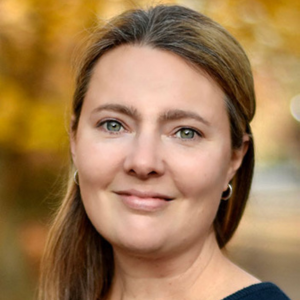
Phoebe Stapleton
Dr. Stapleton is an Associate Professor in the Pharmacology and Toxicology Department of the Ernest Mario School of Pharmacy and a resident member of the Environmental and Occupational Health Sciences Institute at Rutgers, the State University of New Jersey. She completed her graduate work in exercise physiology with a focus on cardiovascular physiology, followed by postdoctoral training focused on inhalation toxicology, at West Virginia University. Her laboratory focuses on identifying the mechanisms associated with fetal growth restriction following maternal exposure to particulate matter during pregnancy, including maternal, fetal, and offspring cardiovascular outcomes. Much of her work has focused on the uterine vasculature and maternal-to-fetal nanomaterial transfer across the placenta, most recently with a focus on micro- and nanoplastics. Dr. Stapleton is author or co-author of more than 60 peer-reviewed manuscripts and serves in several editorial roles. She has been a member of SOT since 2011.
Goals for SOT
I joined the Society of Toxicology during my postdoctoral training and found professionals in a variety of sectors who welcomed and celebrated collaboration, unique approaches, and out-of-the box strategies. In my service to various Component Groups of SOT, I have found scientists open to identifying scientific questions and engaging in research to advance and protect human and environmental health. As a member of the SOT Awards Committee, I will continue to highlight the excellence of our members through their scientific leadership, dedication to education and mentorship, and innovative strategies. I aim to promote transparency, equity, and inclusivity in recognizing achievements across career stages and sectors, ensuring that SOT continues to celebrate the diverse voices and transformative discoveries that define our field.
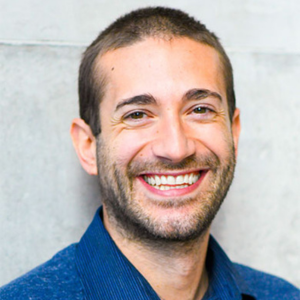
Alessandro Venosa
Dr. Venosa is a lung immunotoxicologist and Associate Professor in the Department of Molecular Biosciences at the University of California Davis. A member of SOT since 2011, Dr. Venosa has demonstrated a strong commitment to advancing toxicological science and mentoring the next generation of researchers. His leadership within SOT began during his graduate training, and he currently serves as Past President of the Immunotoxicology Specialty Section and President of the Mountain West Regional Chapter.
Over the past decade, Dr. Venosa has contributed to the SOT Annual Meeting through Continuing Education courses, Symposia, and mentoring programs that support trainees pursuing careers in toxicology. His scholarly contributions include over 30 peer-reviewed publications and book chapters, and he currently serves as Associate Editor for Inhalation Toxicology. His excellence in research and service has been recognized through numerous awards, including the SOT Outstanding Young Immunotoxicologist Award (2021) and Best Immunotoxicology Paper of the Year (2023).
Goals for SOT
My goal in serving in this role is to uphold the values of fairness, objectivity, and scientific rigor while enthusiastically supporting the recognition of outstanding contributions to our field. I am deeply committed to advancing the quality and impact of the science presented at our Annual Meetings and fostering a culture of excellence, inclusivity, and mentorship within the SOT community.
Through my experiences as a journal reviewer and Associate Editor, and over half a decade of experience as coordinator and judge for the Postdoctoral Association Best Paper Award and the Immunotoxicology Specialty Section Awards Committee, I have developed a deep appreciation for the importance of thoughtful and unbiased evaluation. These roles have sharpened my ability to assess scientific merit across diverse disciplines, and I aim to bring that same level of engagement and integrity to the Committee. I look forward to contributing to the mission of recognizing and elevating the most innovative and impactful work in toxicology and to supporting future generations of researchers through transparency and fairness.
The information provided in this blog is based on biosketch materials submitted for use as part of the election ballot. This citation is being shared under the Secretary’s name as part of their official duties and should not be interpreted as their personal or professional opinions.