SOT is pleased to announce that Sarah A. Carratt, PhD, DABT; Tynisha D. Glover, PhD; and Kymberly M. Gowdy, PhD, have been elected to serve on the 2026–2029 Membership Committee. These individuals bring experience across industry and academia, along with a shared commitment to mentoring, member engagement, professional development, and strengthening the toxicology community.

Sarah A. Carratt
Dr. Carratt is a drug safety team lead and board-certified toxicologist at Pfizer. Within R&D, she leverages her cancer biology background and toxicology expertise to craft nonclinical toxicology packages and ensure that patients receive therapies that are both efficacious and tolerable. She received her PhD in pharmacology and toxicology from the University of California Davis in 2017 and was a postdoctoral fellow at Oregon Health and Science University from 2017 to 2022. She has co-authored 19 publications and has extensive leadership experience within SOT, including serving as Drug Discovery Toxicology Specialty Section Treasurer-Secretary, Postdoctoral Assembly Chair, Inhalation and Respiratory Specialty Section Postdoc Rep, and on the Future Strategy for SOT Meetings and Continuing Education Task Force. Through her SOT leadership roles, she has gained extensive experience collaborating with other Component Groups to create well-attended, cross-functional events, including webinars and receptions.
Goals for SOT
As a member of the SOT Membership Committee, my objectives are to enhance retention rates among SOT trainee members and to further diversify the membership with respect to employment sectors, strengthening the Society’s expertise and supporting the growth of toxicology as an inclusive field. In addition to these goals, I am committed to upholding the Committee's core responsibility of meticulously reviewing the qualifications of potential candidates for membership, while supporting a fair and transparent application process.

Tynisha D. Glover
Dr. Glover is a seasoned research leader with more than a decade of industry experience in preclinical research and development, specializing in the nonclinical safety of biotherapeutics. Her graduate training in immunology and virology laid a strong foundation for her expertise in immunological cell-based assays, molecular biology, and cell and gene therapy. She currently serves as the Nonclinical Safety Oncology Therapeutic Area Lead and Cell Therapy Modality Lead at Johnson & Johnson, where she plays a pivotal role in guiding nonclinical safety strategies for research and development. Dr. Glover also is an active member of the leadership team for the CAR-T Consortium, an external, cross-industry collaborative working group focused on the nonclinical development of TCR and CAR-T cell therapies. Her contributions have been instrumental in the successful global registration of cilta-cel (Carvyti; BCMA CAR-T) and teclistamab (Tecvayli; BCMAxCD3).
Dr. Glover has been an enthusiastic and dedicated member of the SOT Inclusion, Development, and Engagement Committee (IDEC) for the past four years. She has contributed to the planning and execution of the Undergraduate Development Program, coordinated career roundtables, and fostered connections among academic, industry, and government professionals. Her leadership within IDEC included serving as Co-Chair and subsequently Chair, helping refine the Committee’s goals and objectives to align more closely with the Society’s broader vision.
Goals for SOT
My vision for the Society centers on cultivating a dynamic, inclusive, and forward-thinking community that reflects the richness of our field and the diversity of its contributors. A key aspect of my vision is to elevate the Society’s role in driving scientific breakthroughs, particularly in the development and safety evaluation of novel therapies and modality platforms such as cell and gene therapies.
I am deeply committed to investing in the development of future leaders, particularly those who bring diverse perspectives, backgrounds, and experiences to toxicology. By supporting mentorship, inclusive leadership programs, and equitable access to professional growth, I aim to help shape a generation of scientists who are not only technically excellent but also socially conscious and collaborative.
Equally important is my goal to increase active membership and engagement within the Society. I believe that fostering a sense of belonging and purpose among members, across career stages, disciplines, and demographics, is essential to sustaining the Society’s vitality and relevance. Through initiatives that promote interdisciplinary collaboration and member-driven programming, I hope to strengthen the Society’s role as a hub for scientific exchange and professional development.
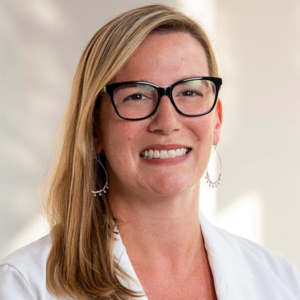
Kymberly M. Gowdy
Dr. Gowdy is an Associate Professor at Ohio State University, where she leads a research program in the Department of Internal Medicine focused on how air pollutants can influence chronic lung diseases, both infectious and inflammatory. Her research has resulted in more than 80 research publications that include her trainees and collaborators from national and international laboratories. Dr. Gowdy is an ad-hoc reviewer for multiple study sections and is currently a standing member of the NIH Study Section Environmental Determinants of Disease. She also is active in journal peer review, including her role as Associate Editor for Toxicological Sciences and editorial board member for multiple journals.
In addition to her research career, Dr. Gowdy is passionate about mentoring, career development, and teaching the next generation of toxicologists. She started the Eastern North Carolina Chapter of Graduate Women in Science in 2016, a chapter that now has more than 100 members. She has mentored numerous research faculty, postdoctoral fellows, graduate students, and undergraduates, and she currently contributes to the biomedical and toxicology curriculum for graduate and public health students. She is also the past Chair of the former SOT Committee for Diversity Initiatives, which organized and executed the Undergraduate Development Program as part of the SOT Annual Meeting.
Goals for SOT
As a member of the Membership Committee, I am committed to broadening outreach to undergraduate students and institutions that have been underrepresented or less engaged with SOT. By increasing the number of Graduate Student members, we can establish a strong talent pool of emerging scientists who will grow into lifelong members and future leaders of the Society.
My goals include enhancing the visibility and perceived value of SOT membership through strategic social media engagement, targeted outreach, and close collaboration with our Component Groups to ensure their evolving needs are met. Together, these initiatives will strengthen our community, foster belonging, and ensure that SOT continues to thrive as an inclusive, supportive, and forward-looking society.
The information provided in this blog is based on biosketch materials submitted for use as part of the election ballot. This citation is being shared under the Secretary’s name as part of their official duties and should not be interpreted as their personal or professional opinions.
#SOTActivities
#Members
#Elections