Scientific posters may be a staple of academic conferences, but as Barb Kaplan humorously opened, “Posters are the world’s most awkward social experiment.” In her Tiny Tox Talk, “Plan and Prelection: Alternative Layouts and Effective Communication for Posters,” Dr. Kaplan guided attendees through methods for designing posters that tell a clear story.
Let the Story Drive the Layout
Dr. Kaplan emphasized that an effective scientific poster integrates strong data with an equally strong oral presentation. Rather than “jumping around,” she encouraged presenters to build around a clear theme, such as the subject area, research question, or institutional identity. Shenoted that copying and pasting the complete abstract is often unnecessary; as she put it, “No one will read it—save the space” (unless the abstract is required by the conference or specific poster session guidelines). Before designing a poster, she suggested that a presenter ask themselves the following:
-
What is the goal of the presentation—sparking questions, sharing a method, highlighting a key finding, etc?
Dr. Kaplan also reminded attendees to avoid jargon and define any abbreviations to keep the poster accessible to a broad audience.
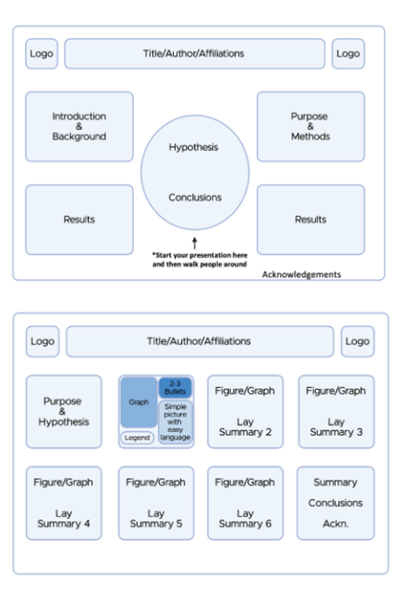
Figure 1: Circle of Interest Poster (Top)
and Messaging Poster Layout (Bottom)
Layout Options: Traditional vs Creative
Traditional three-column layouts remain reliable and easy to follow, though they can quickly become dense. For beginners, Dr. Kaplan recommended including a summary bullet per graph in the discussion section to help guide the overall presentation and keep the presentation on track. Alternatively, she suggested three other methods for alternative poster presentation styles.
-
The “2.0/QR Code Layout” emphasizes key words and ideas by providing the main findings in the middle of the poster in large font along with a QR code that links viewers to important data, papers, or websites.
Dr. Kaplan also recommends preparing multiple versions of the talk, including a short, medium, and long pitch, which can be used interchangeably based on how much time the viewer has.
Her advice on figure legends was especially practical: legends should explain how the data was generated, not restate the results. The phrase to use aloud, she said, is “This figure shows…” not something to write verbatim in the text itself.
Dr. Kaplan closed by encouraging presenters to practice, consider alternative layouts based on the audience, and continually evaluate whether their poster is achieving its communication goals.
This blog reports on the Tiny Tox Talk titled “Plan and Prelection: Alternative Layouts and Effective Communication for Posters” that was held during the 2026 SOT Annual Meeting and ToxExpo.
This blog was prepared by an SOT Reporter and represents the views of the author. SOT Reporters are SOT members who volunteer to write about sessions and events in which they participate during the SOT Annual Meeting and ToxExpo. SOT does not propose or endorse any position by posting this article. If you are interested in participating in the SOT Reporter program in the future, please email SOT Headquarters.