
When a disaster occurs, local officials run to the scene. The area is evaluated, and an investigation into what happened is initiated. Suddenly, a major risk is identified. Local officials must address the community and deliver the bad news: the area must be evacuated due to potential public health risks. What information do we have? How much information should be communicated? Is there a plan in place for these types of situations? Here is when communication is not enough … here is when risk must be communicated effectively.
As toxicologists and scientists, we must develop critical skills to communicate risk effectively to different audiences, regardless of the sector or industry we are in. This was the driver behind the organization of the Engagement/Workshop Session “Talking the Tox: Effective Risk Communication of Toxicological Hazards for Public Consumption.” Through a series of presentations, the audience was exposed to an overview of risk communication from the pharmaceutical, government, and emergency response sectors.
In risk communication, there are four aspects that must be considered:
Ethical considerations, like those used in public health-related research, also must be considered:
Finally, you must consider other public health principles:
Uncertainty is inherent in epidemiology and toxicology, and although we might try to be as clear as possible about a study’s limitations, these are open to interpretation. On occasion, the proper and ethical handling of these findings is more important than the findings themselves. However, poorly communicated good science looks like poor science, and this leads to a loss of trust within the affected community. In an era of social media, that loss of trust can be spread faster and farther. Hence, toxicologists must be trained in risk communication.
Risk communication is an exchange of information and opinions concerning risk between science-based agencies (risk assessment) and policy-based agencies (risk management). Hence, different government agencies are involved because their roles vary depending on the situation. This is important because if the government does not communicate through the appropriate channels, it can lead to inconsistencies that undermine community trust.
When there’s no experience in risk communication situations (and no plan to guide it), things can quickly spin out of control. When responding to a disaster, there are numerous things happening: scientists are assessing the human and health impact, evacuations are taking place, some are evaluating the regulatory aspects of the situation, others are working on the mitigation and remediation actions, a lot of data is being generated that must be managed, and while the overall response logistics is at full, others are preparing to communicate the risk to the public. It’s important to remember that the affected community is under stress, so the capacity to absorb information is limited. The best recommendation is to tailor the message as if you were addressing a 12-year-old, so the listener can understand.
Risk communication is currently undervalued because no one thinks a bad day will arrive. It is estimated that only 1% of the pre-crisis fund is dedicated to public communication and around 10% to community engagement. But when a crisis hits, 90% of the time is spent dealing with the public, fighting misinformation, and rebuilding trust.
We must recognize that we need to improve how we communicate our science, and we can’t call watching a YouTube video a “training.” This must be practiced actively. One technique shared during the session was message mapping, a strategic communication tool for organizing key messages and facts into a hierarchical framework. Practice writing down what you would say and then make it as understandable as possible. From that message, what would you share with the press in case of a crisis?
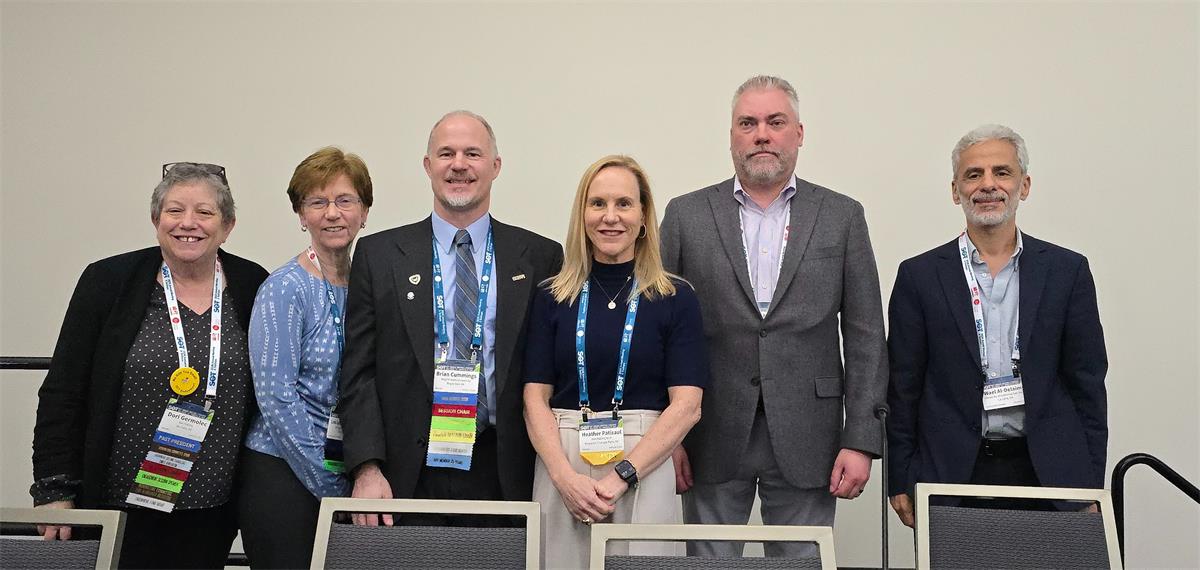
If you missed this session, check the on-demand recording to hear from Wael Al-Delaimy, Lois Lehman-McKeeman, Heather Patisaul, and Paul Nony about case studies in which effective communication was used, when things did not work out, and different formats for communicating with an affected community during a crisis.
This blog reports on the Engagement/Workshop Session titled “Talking the Tox: Effective Risk Communication of Toxicological Hazards for Public Consumption” that was held during the 2026 SOT Annual Meeting and ToxExpo. An on-demand recording of this session is available for meeting registrants on the SOT Online Planner and SOT Event App.
This blog was prepared by an SOT Reporter and represents the views of the author. SOT Reporters are SOT members who volunteer to write about sessions and events in which they participate during the SOT Annual Meeting and ToxExpo. SOT does not propose or endorse any position by posting this article. If you are interested in participating in the SOT Reporter program in the future, please email SOT Headquarters.
#SOTReporter